



Power to Kids: Strengthening Protection for Children in a Post–Digital Media Ban Landscape
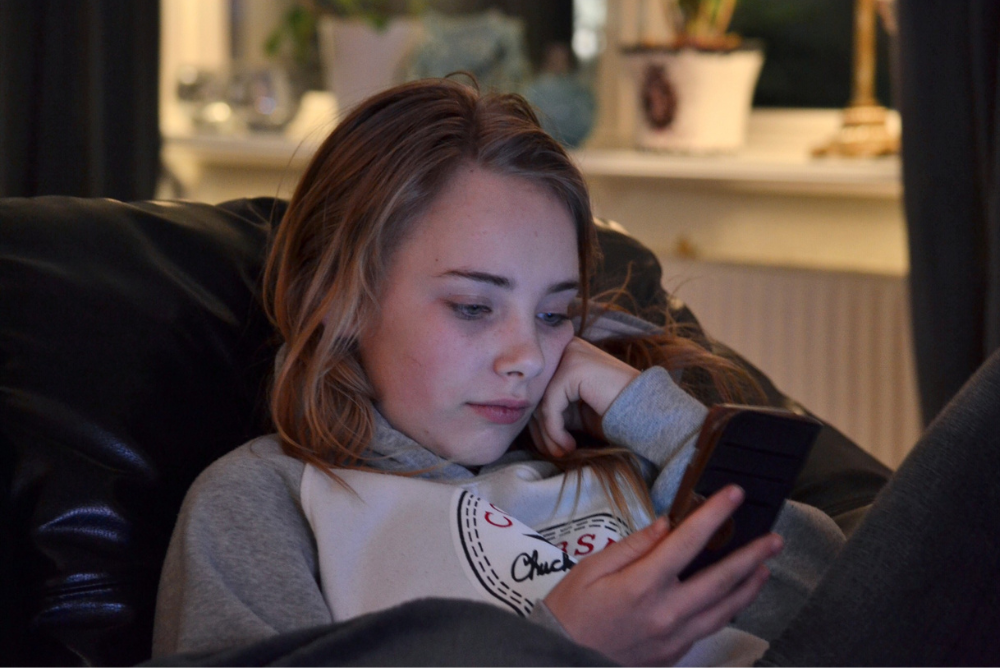
Australian children face growing risks in online environments, including exposure to harmful content, grooming and predatory behaviour. Social media platforms have been widely criticised for prioritising engagement over safety, often failing to provide adequate protections for young users.
In response, Australia’s digital media ban for children represents a significant legislative step toward reducing harm. But legislation alone cannot keep children safe. Real protection happens in the everyday relationships and conversations that surround children and young people.
This is where Power to Kids, a program delivered by The MacKillop Institute, plays a critical role.
Why the Ban Matters
The need for such measures is clear. One in four Australian children has experienced child sexual abuse (Australian Childhood Maltreatment Study, 2023). Children in residential out of home care are especially at risk: while they make up just 5% of the child population, they account for 33% of child sexual exploitation reports (Royal Commission, 2017). Many of these children have lived through family violence, trauma and displacement, compounding their vulnerability to online and offline exploitation.
How Power to Kids Complements the Digital Media Ban
Power to Kids supports the intent of the digital media ban by strengthening the protective environments around children, particularly those in out-of-home care. While the ban reduces exposure to harmful platforms, Power to Kids ensures carers and professionals are equipped to address risks that remain, including indirect online contact, peer to peer harm, and the long-term impacts of trauma.
The program upskills carers and professionals to hold ‘brave conversations’ about sexual health, safety and respectful relationships. These conversations are essential to prevention and early intervention, helping young people develop the confidence and skills to seek help, recognise unsafe situations, and navigate digital spaces safely when they do encounter them.
Building Carer Confidence and Capability
Conversations about sexual safety can be difficult, especially when children have experienced trauma. Power to Kids addresses this challenge head on by building carers’ confidence and practical skills. Carers are supported to talk openly and age-appropriately with children and young people about boundaries, consent, online risks and help-seeking behaviours.
Skilled, confident carers are one of the strongest protective factors in a child’s life. By empowering carers, Power to Kids ensures that the protective intent of the digital media ban is reinforced in day-to-day care settings.
Evidence That It Works
Power to Kids is a multidisciplinary, evidence-based program developed by MacKillop Family Services in partnership with the University of Melbourne. It was piloted across 120 MacKillop residential care homes and independently evaluated, with strong results. Following a national rollout, the program has reached more than 50 organisations and over 3,000 out-of-home care professionals.
Evaluation findings consistently show impact, with 99% of participants reporting increased confidence to prevent, identify and intervene early. Importantly, the program has been shaped by the voices of young people in care and the workers who support them.
A Shared Responsibility for Child Safety
The Australian digital media ban for children is a vital step in reducing online harm, but it cannot stand alone. Programs like Power to Kids ensure that legislative protection is matched by skilled, informed and confident adults who can respond to risk, build trust and empower children.
Together, strong laws and evidence-based programs create a safer digital and relational environment, one where children are not only protected from harm, but supported to grow, heal and thrive.