



Day 1 - Wed 2nd September – Program and agenda
Mindful Yoga in Meeting Room 1 8.30 to 8.50 (optional) - ground yourself before the day starts: everyone welcome, gentle movement, no experience necessary, and no specific outfits required.
MCs: Sheyteika Deighton, Emily Hallam & Estell Luate
Wurundjeri Woi Wurrung Cultural Heritage Aboriginal Corporation
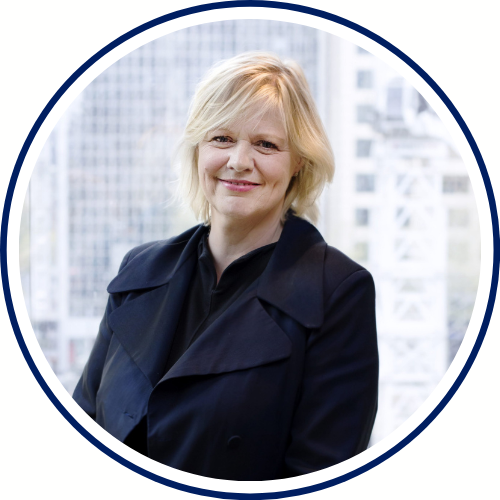
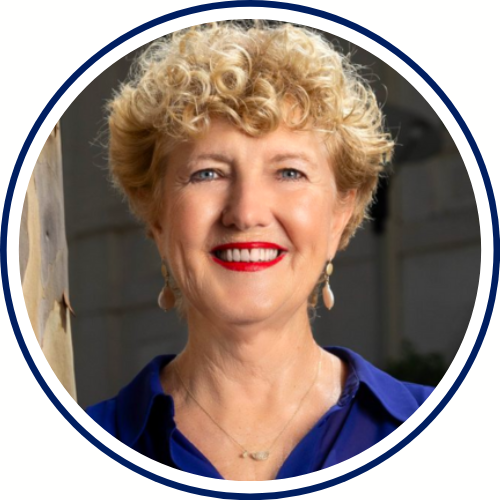
Commissioner Deb Tsorbaris (National Children's Commissioner) (5 mins)
Dr Robyn Miller AM (CEO - MacKillop) (5 mins)
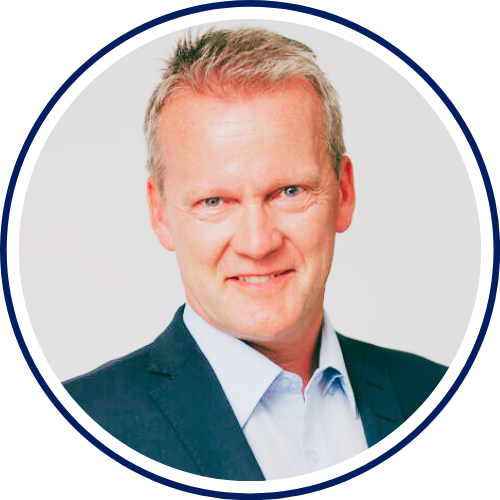
Professor Pasi Sahlberg (University of Melbourne)
The Age of Agency (50 mins)
View abstract
At major turning points in human history, societies have revisited a fundamental question: what is education for? From post-war reconstruction and industrial transformation to digital technologies, the COVID pandemic, and now generative artificial intelligence, each transition has challenged education systems to reconsider their purpose. This presentation argues that we are witnessing a paradigm shift from education for human capital to education for human flourishing. It explores how this transition is moving education beyond narrow measures of academic achievement towards relationships, meaning, accomplishment, wellbeing, and happiness. Human flourishing requires strong foundations in basic literacies, holistic wellbeing, and social and emotional capabilities. It also depends on agency: the will and capacity to make choices, take purposeful action, and influence one’s own learning and life. The presentation concludes with three practical ways education systems can strengthen student agency, support teacher professionalism, and help all students lead their future learning and flourishing.
11:10 – 12.10PMBreakout Session 1
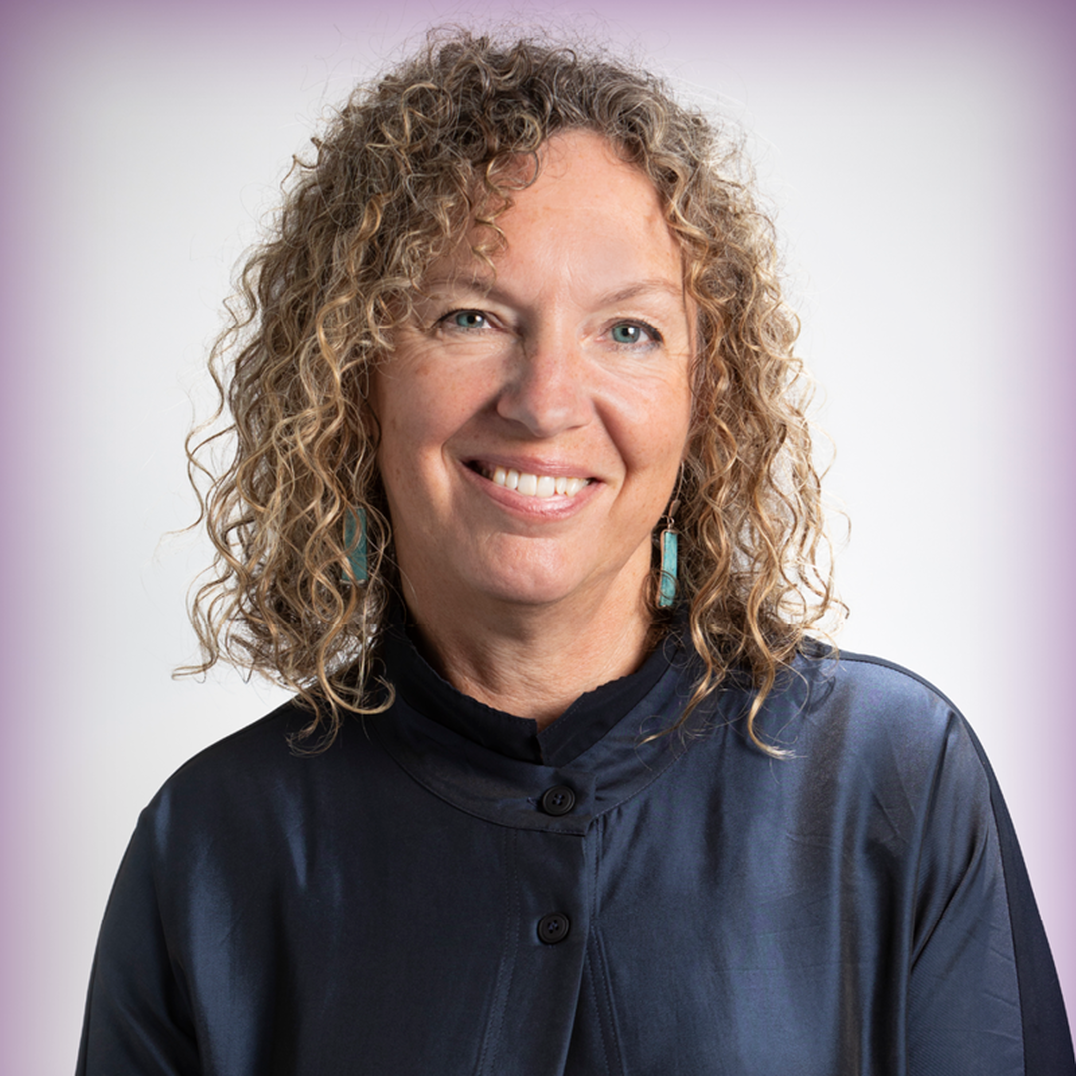
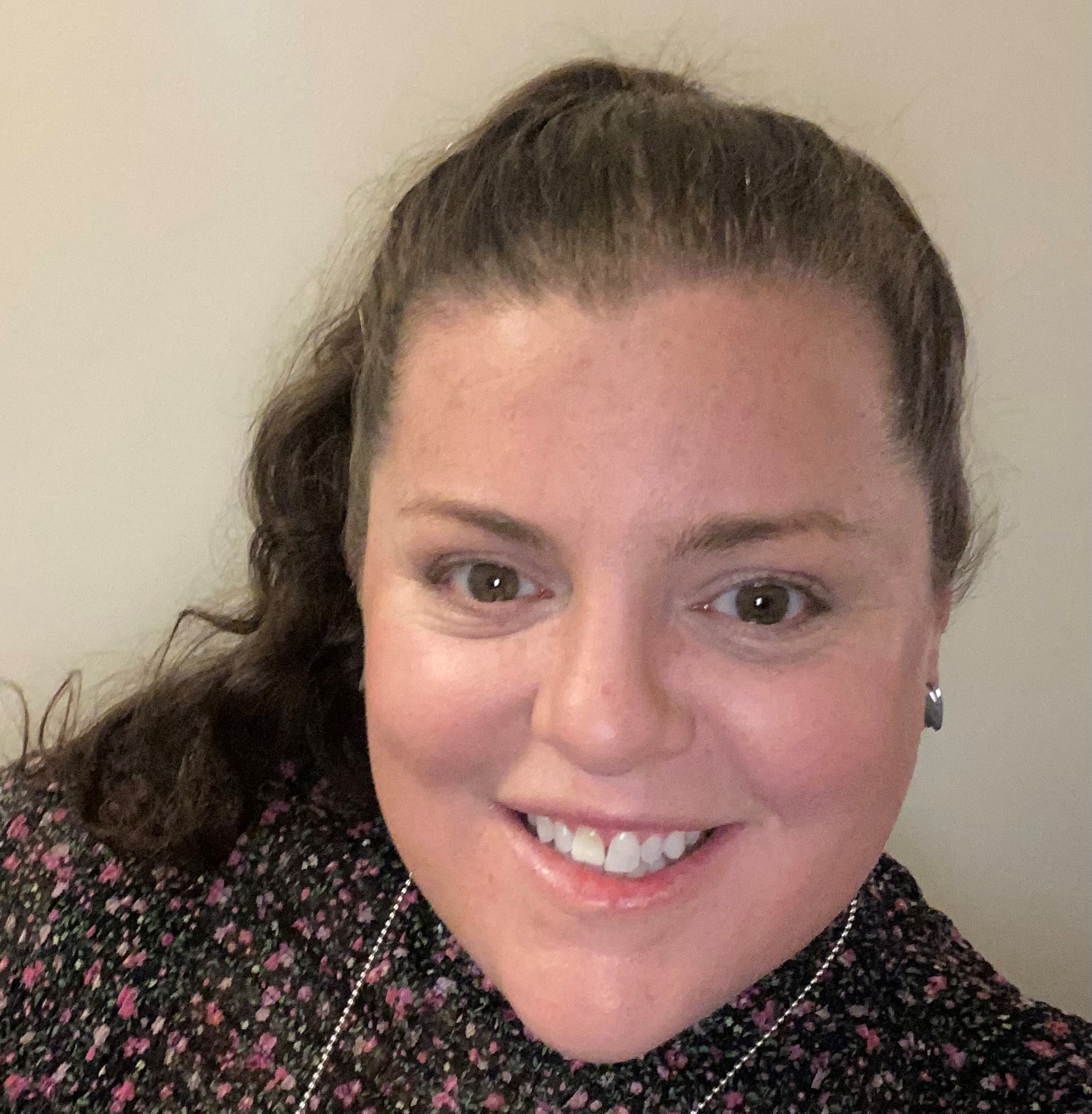
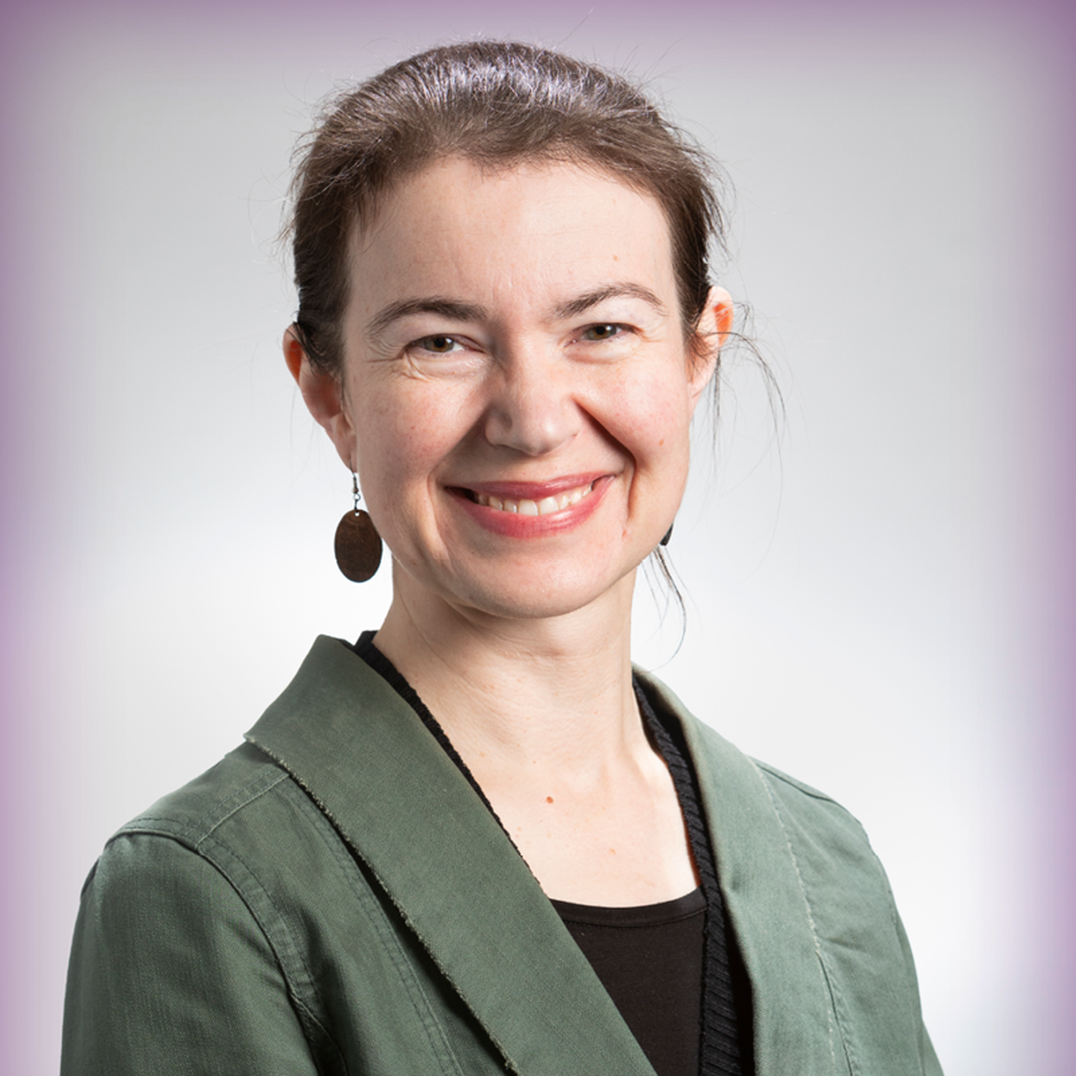
Organisation: Alannah and Madeline Foundation
Format/duration: 60 minute presentation
View abstract
Digital technologies are increasingly embedded across and through children's lives: shaping learning, family life, friendships, play, health and growth. Whilst we can be excited about opportunities existing and emerging tech present to enhance child wellbeing, we must first ensure it’s fundamentally safe. And we are a long way from that right now. So how do we make sure we keep meeting children’s immediate needs, particularly so they stay safe and well, but at the same time work to ‘backfill’ the void in effective regulations and scaffolding to keep them safe? This session will show how the Alannah & Madeline Foundation tries to do this, and how children and young people are shaping the digital future they want. Spoiler alert – what it comes down to is the better tech gets at being tech, the better humans need to be at being human.
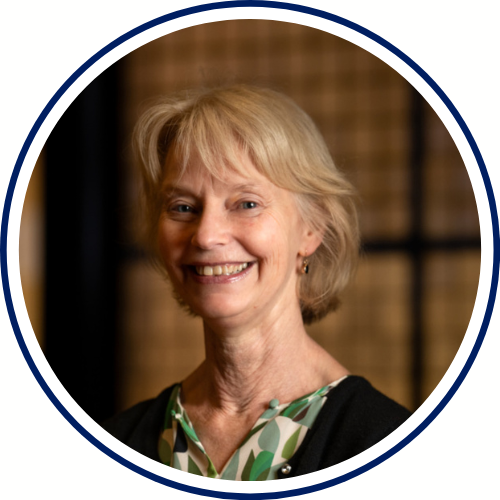
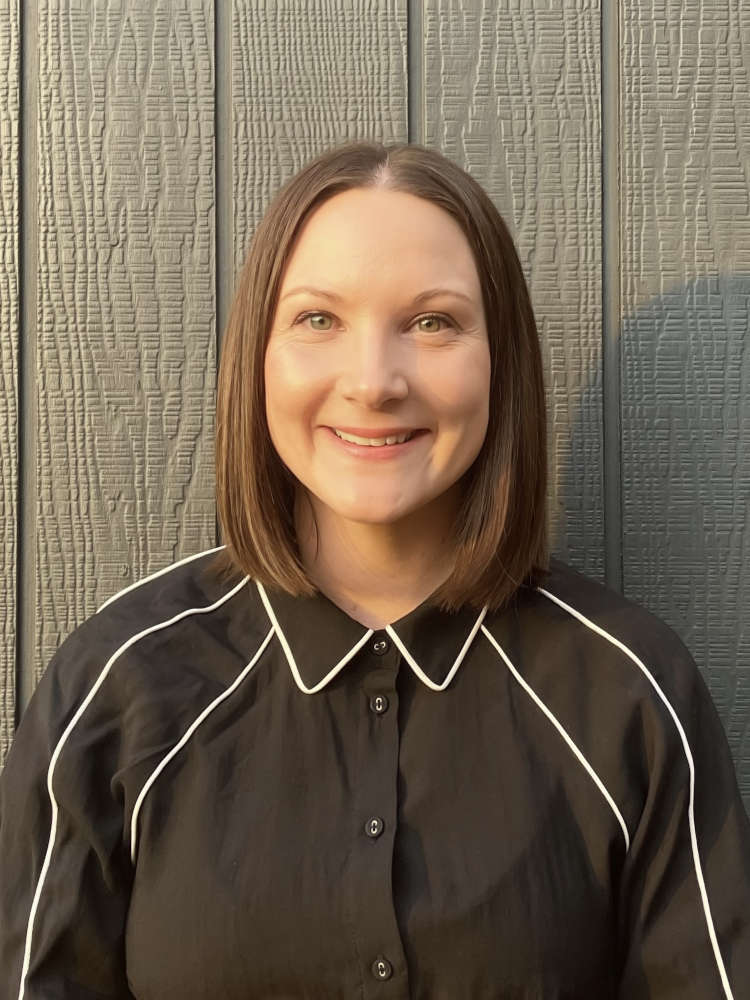
Organisation: McAuley Community Services for Women
Format/duration: 60 minute - Panel
View abstract
Despite decades of advocacy and reform, our communities continue to face complex challenges to their safety and wellbeing. This presentation will demonstrate why integrating lived experience is essential for designing effective responses and share practical insights into ethical co-design for child, family and community service organisations. This session will focus on embedding lived experience in policy, programs, services and governance as a strategy to accomplish meaningful systems change. Using Safe at Home as a case study, the panel will reflect on their learnings, including the importance of care, consideration and planning when embarking on co-design. This session is for leaders, practitioners, policy makers and sector partners working within the community services sector. Participants will gain practical insights into co-design that centres lived experience safely and ethically, including in lived experience governance. Attendees will leave with better understanding of the benefits of embedding victim survivors’ voices in the design and governance of policies, programs and services and how to collaborate with other organisations in pursuit of this. The panel will illustrate how co‑creating with victim‑survivors builds stronger, more responsive systems, honouring their lived experience in this area.



Organisation: Centre for positive behaviour Support
Format/duration: 60 minute presentation
View abstract
In complex and uncertain funding and service delivery environments leadership and practice must evolve to remain sustainable and effective. With increasing focus on both the persons' and staffs' rights, wellbeing and safety in schools and community services the need for effective rights-based responding is paramount for building resilient, and psychologically safe services that deliver meaningful outcomes. This presentation provides a real alternative to traditional approaches that are becoming increasingly limited and problematic in contemporary practice environments. It goes beyond ideas to offer an approach that includes strategies for responding and research-based evidence of effectiveness. The presentation identifies a critical issue for all services working with people with complex needs. It offers a new and effective approach which is largely unused yet can deliver meaning outcomes for safety and wellbeing for young people and adults alike. The issues, strategies and evidence are discussed in an applied way. Common barriers are also addressed to aid understanding and assist in effective implementation. Complex ideas are made practical and accessible in this presentation. on-Aversive Reactive Strategies (NARS) are described with examples and evidence of their efficacy for complex and risky behaviour. NARS resolve behavioural crisis without resorting to punishment or restrictive practices, thereby meeting legal, policy and ethical requirements.
Organisation: Australian Catholic University
Format/duration: 60 minute presentation
View abstract
This presentation offers an alternative conception of research-informed practice that challenges human-centred constructions amid escalating human-driven environmental degradation. Drawing on ecofeminist and ecojustice traditions, teaching practices are conceptualised as relational, storied, and ecologically situated (d’Eaubonne, 1999; Mies & Shiva, 2014). The paper examines how alternative ways of knowing are enacted within teacher education programs and curricula, while analysing the systemic and institutional constraints that privilege what counts as legitimate knowledge. The study is informed by ecofeminism, which identifies patriarchal domination as foundational to intertwined systems of social, ecological, and epistemic exploitation (d’Eaubonne, 1999; Fotaki & Pullen, 2024; Gain, 2025). Ecofeminist theory positions the subjugation of women and exploitation of nature as mutually reinforcing, while contemporary decolonial ecofeminism foregrounds diverse ontologies, worldviews, and more-than-human relationality (Gain, 2025; Jones, 2022; Siegel, 2024). Using an autoethnographic methodology, cultural storytelling serves as both method and analytic lens through which knowledge is represented, authorised, and enacted in education.

Organisation: Moral Injury Australia
Format/duration: 60 minute presentation
View abstract
Individuals can be exposed to events that violate their moral beliefs and values such as acts or decisions that cause intentional or unintentional harm. The response to such violations can lead to what is called moral injury and can create deep, unresolved feelings of anger, betrayal, guilt, and shame and heighten the risk of suicidality. Moral injury has often been linked to military veterans and first responders, and more recently social work, aged care, teaching, law and media professions particularly during COVID-19. Moral injury is rapidly becoming recognised as a psychosocial risk for some workplaces. The presentation explores the multi-dimensionality of moral injury and how we as a helping profession can increase our knowledge and understanding, in turn supporting our own self-care, organisational wellbeing, and care of our clients.
Organisation: Ollie's Echo
Format/duration: 60 minute presentation
View abstract
This presentation explores how lived experience reveals critical gaps in the systems designed to ensure the safety and wellbeing of young people in an increasingly digital world. Through the stories of two children lost to suicide, we highlight how online harm, mental health, and system fragmentation intersect, impacting relationships, identity, and early intervention. This session is for educators, school leaders, wellbeing professionals, safeguarding leads, policymakers, and community organisations working with young people. Participants will gain deeper insight into how digital environments are shaping risk, along with practical strategies to recognise early warning signs, strengthen relational safety, and embed prevention-focused approaches. They will also leave with a clearer understanding of how to bridge gaps between systems to better support young people before crisis occurs. It matters now because digital environments are evolving faster than our systems can respond. Without coordinated, prevention-focused approaches that strengthen relational safety and emotional awareness, young people will continue to fall through the gaps, often before warning signs are recognised or acted upon. This presentation centres lived experience as critical evidence to inform safer, more responsive systems. Through our children’s stories, we offer enduring insights into how harm occurs across digital, social, and systemic contexts, and where current approaches fall short.

Organisation: Click Against Hate
Format/duration: 60 minute presentation
View abstract
Every day, students receive messages about who they are, where they belong, and what they are capable of becoming. Some of these messages expand possibility. Others quietly narrow it. As educators, we know that relationships, belonging and high expectations matter. Yet in an increasingly complex world shaped by social media, algorithms, artificial intelligence and online influence, students are navigating identity formation in ways previous generations never experienced. This practical and thought-provoking session explores how narratives shape student identity, wellbeing, engagement and belonging. Drawing on contemporary research in identity development, trauma-aware practice, bias and digital influence, Jeremy Kalbstein introduces two original frameworks: the Narrative Impact Cycle™ and the Interrupt–Reframe–Reinforce Classroom Model™. Through a compelling student case study, participants will examine how assumptions, stereotypes and repeated messages can become self-fulfilling narratives that influence behaviour, confidence and learning outcomes.

Organisation: Grace and Justice
Format/duration: 60 minute workshop
View abstract
For anyone whose work asks them to keep finding their voice, and to keep going. Conflict is the daily weather of this work. We sit with families in crisis, carry impossible decisions, and have the hard conversations no one else will. Finding your voice in those moments is essential, and, done without care, can be very depleting. This is a hands-on workshop, not a talk. No death by PowerPoint. Drawing on more than a decade in the courts and over 1,500 mediations, Mary guides you through a practical, conversation-based approach to conflict that lets you speak honestly while staying grounded, boundaried, and whole. You’ll work through real scenarios, leave with language you can use on Monday morning, and come to see self-protection not as stepping back from conflict, but as how you show up within it


Organisation: Together for Humanity
Format/duration: 60 minute presentation
View abstract
This session addresses the important role schools can make to building social cohesion through the work and dispositions of teachers and leaders not only within their schools but also within their communities. Annette and Phil will give background to the work of Together For Humanity and their respective roles in recent national initiatives to support schooling systems, governments and educators to both understand and take action to build social cohesion. In addition to acknowledging the challenges facing schools in contemporary times they will also outline the opportunities available through specific resources, curricula and teaching standards reforms; and the kind of leadership qualities that are needed to confront and respond to racism, conflict and expressions of hate. They will also provide authentic examples of leaders, teachers and schools that are models of good practice in building social cohesion, the relevant contextual features of each, the sustainable actions taken, and the qualities that characterise those involved.
12.15 – 13.15 PMBreakout Session 2

Organisation: YLAB
Format/duration: 60 minute presentation
View abstract
Youth advisory groups are everywhere — but are they actually working? Join YLab for a practical session on what genuine youth engagement looks like (and where it goes wrong), packed with real red flags, green flags, and a Victorian Government case study that moved beyond consultation into true co-design. Walk away with tools you can apply in your own organisation tomorrow.


Organisation: ACU, University of Melbourne & ANSVAR Insurance
Format/duration: 60 minute presentation
View abstract
As understanding of the challenges facing children and young people continues to grow, organisations can risk becoming overwhelmed by the scale and complexity of the evidence. This panel discussion will explore how to move beyond awareness and avoid paralysis, focusing instead on practical opportunities for action within organisations, communities and systems. Drawing on an intentionally hopeful and future-oriented perspective, panellists will consider how systems can become safer, more responsive and more effective, and who holds responsibility for driving this change. Informed by the work of thought leaders such as Jennifer Coates and Robert Benjamin, the discussion will highlight lessons from past progress, recognise what is already known about strengthening outcomes for children and young people, and explore how collective purpose, courage and innovation can create meaningful change for the future.

Organisation: PivotPL
Format/duration: 60 minute presentation
View abstract
Australia's student wellbeing data tells a concerning story. But it is not the only story, and it does not have to be every school's story. Drawing on wellbeing data collected across hundreds of schools over nearly five years, Pivot has identified a cohort consistently outperforming national trends in belonging, resilience and safety. This session asks the question their results demand: what are they doing differently? Rather than findings delivered from a stage, the session hands the microphone to the schools themselves. Using a situation, action and outcome framework, leaders will share what their data revealed, the deliberate changes they made, and what the numbers show now. This is enduring wisdom in practice: evidence and lived experience, side by side. Adam Inder weaves these stories into a single narrative, drawing out the common threads and grounding each one in what the evidence supports. Participants will leave able to recognise what deliberate, data-informed wellbeing practice looks like, and with practical starting points for their own settings.
Organisation: Jesuit Social Services
Format/duration: 40 minute presentation
View abstract
Jesuit Social Services is a social change organisation working for the past 50 years to build a just society where all people can live to their full potential. In 2017, we created The Men’s Project as a way to intentionally focus our work on finding solutions to more effectively engage men and boys to combat gender-based violence through primary prevention and early intervention approaches. Our work focuses on building knowledge, skills and confidence among those who work with men and boys to make our communities safer. We also work directly with young people who have experienced harm to support them to flourish and build skills to strengthen their relational connection with self and others. In 2025, The Men’s Project released the Adolescent Man Box research, a study of 1401 young people of all genders which examines the extent to which Australian adolescents perceive and endorse stereotypical masculine norms, as well as the relationship between boys’ endorsement of these norms and their behaviours and experiences. The Adolescent Man Box refers to a collection of beliefs that place pressure on boys to behave in certain ways.
Organisation: Relationships Australia
Format/duration: 60 minute presentation
View abstract
Across every program Relationships Australia delivers — from children’s counselling and family dispute resolution to community connection and family violence services — one truth holds constant: children heal, grow and flourish through safe, consistent relationships. Drawing on Relationships Australia’s national practice experience, our Relationship Indicators research, and our work at the intersection of family law, domestic and family violence, and children’s mental health, this session explores what we know works and what is required of us as practitioners, leaders and policymakers. We will examine the relational pressures facing Australian families today, explore the evidence for child-centred and trauma-informed practice, and unpack the age-old saying: “it takes a village”. By weaving together lessons learned through service delivery and campaign work across the Relationships Australia Federation, Nick will unpack what it means to genuinely place children’s voices and wellbeing at the heart of systems, including the family law system, where overdue reform is now underway. Participants will leave with a clearer understanding of why relationships are the primary mechanism of change for children affected by adversity, what child-inclusive practice looks like across diverse settings, and a practical call to action for co-creating systems, services and communities that are worthy of the children we serve.

Organisation: Kids Helpline @ School
Format/duration: 60 minute presentation
View abstract
In an age where young people are constantly online yet increasingly disconnected, this workshop invites educators to return to the foundations of wellbeing: genuine, meaningful connection. Together, we’ll explore how to help young people strengthen their connection to others, to community, and to self- three essential pillars that underpin resilience, belonging and emotional health. Through a mix of practical insights, real‑life examples, and engaging hands‑on activities, participants will experience strategies they can immediately use to foster stronger relationships and a deeper sense of belonging within their school communities. The workshop will also showcase how Kids Helpline’s virtual services- Kids Helpline, My Circle and Qwibbl- offer accessible pathways for young people to feel supported, understood and more connected in their everyday lives. Come ready to reflect, participate, and leave with a toolkit of activities designed to help young people feel seen, valued and genuinely connected.
Format/duration: 60 minute workshop
View abstract
Mentoring strengthens safety, wellbeing, relationships, and emotional intelligence by creating trust‑rich learning environments. It encourages open dialogue, reflective thinking, and supportive challenge, helping learners manage emotions, build resilience, and communicate effectively. Through consistent guidance and positive role‑modelling, mentoring deepens connection, reduces anxiety, and promotes respectful relationships. This nurturing climate empowers many learners to grow confidently and achieve best outcomes. This Case Study explores how mentoring can create a growth‑focused environment by combining clear expectations, supportive guidance, and gentle accountability. Approaches shared encourages individuals to explore strengths, confront limiting beliefs, and build confidence through structured reflection and practical skill development. By modelling trust, active listening, and constructive feedback, mentoring fosters psychological safety—allowing people to take risks, learn from mistakes, and stretch beyond comfort zones.
View abstract
Drawing on two and a half years of community-based practice through KinHub, alongside lived experience as a late-identified neurodivergent parent, this session explores why so many young people struggle within systems ostensibly designed to support them. The presentation moves through three interconnected areas: the personal journey that led to the creation of KinHub; recurring themes emerging from working alongside neurodivergent and school-disengaged young people and families, including school distress, burnout, online immersion, unmet needs for belonging, competence and autonomy, and the overrepresentation of neurodivergent young people across mental health, out-of-home care and youth justice systems; and reflections on what these patterns ask us to consider for futures shaped by artificial intelligence, online culture and performance-driven systems. Central to the session is the proposition that many young people are not lacking capacity or motivation but are responding to environments increasingly disconnected from fundamental human needs.
Organisation: MacKillop Family Services
Format/duration: 60 minute yarning circle
View abstract
90% of the families MacKillop Family Services work with across the Pilbara region of WA and the Northern Territory are Aboriginal or Torres Strait Islander. Historically, there has been limited access to parenting support programs in the regions, and the few services that did exist were rarely culturally appropriate. In response, MacKillop Family Services consulted with families engaged with MacKillop, Elders, ACCOs and community members to explore areas that families wanted to know more about and would benefit from knowing more about. This consultation ensured the voice of families and community remained at the heart of the project and the Mangka was developed as a flexible and holistic approach to parenting support. Mangka means nest in Kariyarra language and recognises the nurture, strength, perseverance and connection needed to build a good nest - symbolic of the caregiving role. Mangka offers foundational support to First Nations families to strengthen the safety and wellbeing of children, raised within family through the themes of; Culture, Caregiving & Engagement, Routines & Boundaries, Protective Behaviours, Healthy Relationships, Mental Health & Wellbeing, and Safe Healthy Homes. The Yarning Circle presentation will engage participants in experiential learning with a sample of the interactive content and resources from the Mangka program.
2.00– 2:40 PMBreakout Session 3
Organisation: East Melbourne PHN and MacKillop Seasons
Format/duration: 40 minute presentation
View abstract
This panel explores a place-based, partnership approach to community recovery in the Yarra Ranges, a region “metro in governance but rural in experience”. This network of interconnected villages, in the outer east of Melbourne has experienced repeated extreme weather events and heightened suicidal distress resulting in complex, long-term impacts The session examines how Eastern Melbourne Primary Health Network (EMPHN) and local partners worked at the “speed of trust” to co-design responses that are timely, locally relevant, and sustainable. This matters now as more communities face compounding crises and require approaches that move beyond one-size-fits-all models to strengthen connection, resilience, and recovery.
Organisation: ACU
Format/duration: 40 minute presentation
View abstract
Drawing on the Australian Child Maltreatment Study (ACMS), this presentation provides an update on new analyses emerging since the release of the landmark 2023 findings. It will present key population-level data on the prevalence, co-occurrence, and cumulative burden of each of the forms of child maltreatment, alongside updated insights into the associations that child maltreatment and other adversities have with mental health, health-risk behaviours, and broader life outcomes. Particular attention will be given to patterns across the life course and the scale of impact at a population level. Using these data “snapshots,” the session will examine how high rates of childhood adversity are reshaping the contexts in which practitioners and services operate. The implications for workforce demand, system pressures, and service responses will be explored through a data-informed lens.
Organisation: St Michael's Lutheran Primary
Format/duration: 60 minute presentation
View abstract
This presentation focuses on how schools can better support students experiencing school refusal, disengagement, and relational breakdowns, particularly neurodivergent learners. With increasing complexity in student needs, traditional compliance-based approaches are often ineffective. This work matters now as educators are seeking practical, compassionate, and evidence-informed ways to create safe, inclusive environments that prioritise wellbeing, rebuild trust with families, and support sustainable student re-engagement.

Organisation: Deloitte Access Economics Pty Ltd
Format/duration: 40 minute presentation
View abstract
Alternative education settings deliver learning support that is deeply relational and personalised. Student progress can be non-linear, and gains that look small on paper can represent significant transformation for a child or young person. Drawing on our work across diverse systems, we will share our observations of how settings and systems are currently measuring and understanding their impact We will highlight what is working well, as well as the common challenges and tensions in capturing meaningful progress Bringing our perspective as evaluators of a wide range of school programs, we will offer practical insights to support deeper, context-sensitive understanding of impact.

Organisation: Together for Humanity
Format/duration: 40 minute presentation
View abstract
This presentation explores how schools can move beyond one-off cultural events toward sustained, whole-school approaches to belonging and intercultural understanding through authentic partnerships. Using a primary school in metropolitan Melbourne as a case study, it examines how an Artist-in-Residence program supported the embedding of First Nations perspectives through art, student voice and community engagement. At a time of increasing social division and uncertainty around cultural conversations, schools play a critical role in fostering belonging, cultural safety and social cohesion for all young people.


Organisation: Department for Education SA
Format/duration: 40 minute presentation
View abstract
This presentation focuses on embedding emotion regulation as a shared, whole-site capability that shapes how staff and students respond in the moment, with impact on both self and others. Grounded in neuroscience and cognitive behavioural theory, staff build self-awareness, understand the developmental stages of adolescence, and their role in managing their emotions and co-regulating young people. Students are explicitly taught strategies to self-regulate, communicate, and use their agency to take responsibility. This matters now, where schools face increasing complexity in student wellbeing, behaviour, and diverse developmental and learning needs. It prepares young people for life at school and beyond, where strong regulation, communication, and relational capability support success.
Organisation: MacKillop Education
Format/duration: 40 minute presentation
View abstract
Low attendance, disengagement and school refusal is the unfortunate reality for many students who are often enrolled in flexible education settings. By combining high expectations, personalised interventions and data monitoring, we believe consistent and improved attendance is foundational to student growth and transformation in all flexible education contexts. Our multi-tiered system of support (MTSS) attendance framework, launched in 2022, uses tiered interventions and data monitoring to ensure every student receives the right level of support. In one year, our attendance rose by 12.6%, equating to 1137 additional days of learning. By Term 3 in 2024, students averaged 70% attendance—the highest in our history. In early 2025, we reached a record 82% attendance, with Year 11 achieving 92%. Behind these numbers are stories of student growth - like Billy. Come along to hear more.
Organisation: Headspace - BeYou
Format/duration: 40 minute presentation
View abstract
Primary schools are increasingly encountering students who present with heightened emotional distress and, in some cases, indicators of self-harm. Educators often report feeling underprepared and uncertain about how to respond in ways that are safe, developmentally appropriate, and aligned with best practice. This session addresses this critical gap by equipping school staff with practical, evidence-based strategies to recognise, respond to, and support students experiencing distress and engaging in self-harm in the primary years. Drawing on contemporary research, trauma-informed frameworks, and school-based practice, we will explore the underlying functions of distress and self-harm behaviours in younger children. Attendees will develop confidence in recognising self-harm behaviours, engaging in supportive and non-escalating conversations, and responding in ways that prioritise safety while maintaining strong relational connections with students.
2.40-3.25PMBreakout Session 4
View abstract
This session deepens understanding of child trafficking and exploitation within the Australian context, drawing on current realities, practical insights, and the challenges we face in a rapidly changing environment. David explores current concerns in identifying children experiencing exploitation in Australia, how trafficking and child exploitation intersect, and how stereotypes can shape understanding and responses. Drawing on international learnings from ZOE’s restorative care work in Thailand, the session also highlights pathways to healing and recovery and how children and young people can be better supported. Informed by evidence, frontline experience, and practical case studies, this session equips participants to think critically, hold complexity, and strengthen responses that centre the safety, dignity, and care of vulnerable children.
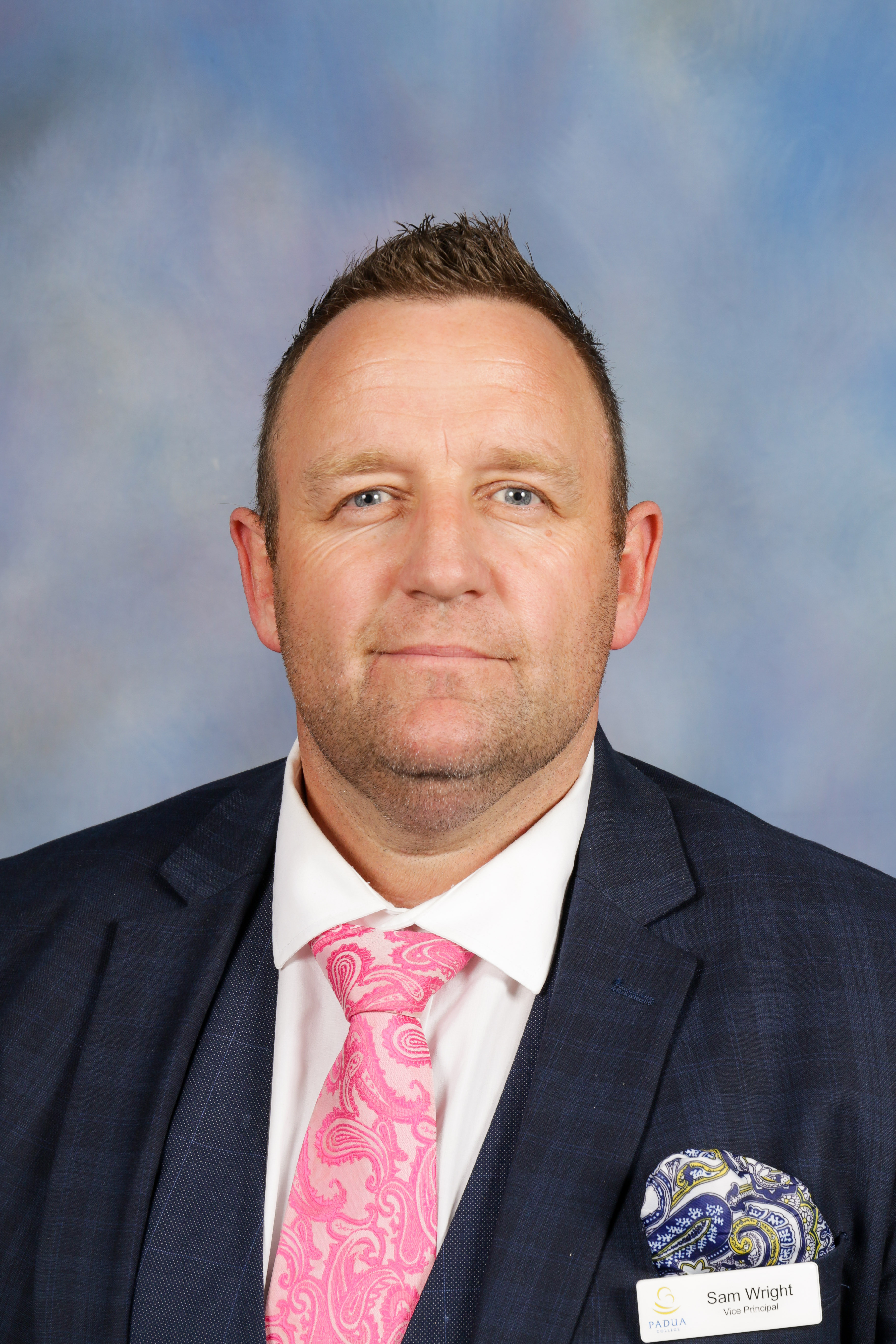
Organisation: Padua College
Format/duration: 40 minute presentation
View abstract
Cultivating Respect Through Social and Emotional Literacy: We will workshop how language and interventions from Mental health First Aid delivered across a whole college community can establish norms and expectations centered on respect, empathy and understanding. By empowering students and staff to value themselves, we explore the ripple effect this has on their community. Participants will gain insights into practical approaches that build confidence, encourage exploration of new opportunities, and foster a sense of intrinsic value. Data-Informed Strategies for Developing Flourishing Learners: Drawing from our experience at a large secondary school with over 2500 students, we will demonstrate how data can drive effective practice in enhancing the capacity of both staff and students. Our approach integrates evidence, experience, to build mental health literacy and create resilient learning environments. Participants will learn actionable strategies to leverage wellbeing data across multiple campuses, enhancing social, emotional, and mental health literacy.
Format/duration: 40 minute presentation
View abstract
Why can’t we just feel whelmed? Not flooded. Not shut down. Not about to explode. Just… whelmed. For many young people, even mild discomfort can feel intolerable, pushing them outside their Window of Tolerance and into reactive states like fight, flight, or freeze. In these moments, distress becomes the driver, and behaviour often turns impulsive, disruptive, or withdrawn, affecting both learning and safety. We’ll explore the distress paradox, how efforts to avoid discomfort can actually amplify it, and how patterns of up- or downregulating behaviour become strategies to manage an internal world that feels overwhelming. That’s the function of distress tolerance. It doesn’t fix the feeling, but it gives students something to reach for in the feeling. A way to ground, distract, or steady themselves just enough to choose a better next move. This presentation equips educators with practical, psychologically informed tools to support students through moments of emotional intensity, responding in ways that reduce impulsive reactions and gently redirect emotional momentum, while preserving a sense of safety and flow in the classroom
Organisation: Infinity Community Solutions
Format/duration: 40 minute presentation
View abstract
This presentation focuses on Seeing the Need, a key finding from a constructivist grounded theory study of placement stability in statutory kinship care. Seeing the Need describes how family and kin come to recognise a child’s unmet need for care and make the decision to step forward. This matters now because systems continue to struggle to find and engage family for children on statutory orders, particularly those with complex needs. Applying this insight reframes family finding as a relational, emotionally intelligent process that strengthens safety, belonging, and long‑term wellbeing for children and young people.
Organisation: Ronald McDonald House
Format/duration: 40 minute presentation
View abstract
The Ronald McDonald Learning Program is one of the programs offered by Ronald McDonald House Victoria and Tasmania and aims to help students from foundation to year 12, who have missed school due to a chronic health condition or serious illness, catch up on their learning. Whilst implementing this support through several different programs, an unmet need was identified for this cohort of students who experience mental health challenges as a result of their illness and subsequent absences from school. As a unique educational setting that provides onsite teaching at the North Fitzroy House as well as tutoring support in local communities across Victoria and Tasmania, the opportunity to pilot the Seasons for Growth Program was welcomed.

Organisation: The MacKillop Institute & School TBC
Format/duration: 40 minute presentation
View abstract
Educator and student wellbeing are often framed as competing priorities. This workshop reframes that narrative, highlighting how student‑centred practice can enhance educators’ professional quality of life. Drawing on Gawler & District College’s experience of embedding the ReLATE Education Model, participants will explore practical shifts in mindset and practice that strengthen relational safety, clarity and sustainability. Wellbeing leaders will leave with clear frameworks and actionable strategies to align student support with staff wellbeing and lead meaningful change within their own school contexts.

View abstract
Relationships and Sexuality Education can be challenging for schools—but it becomes far more effective when parents and carers are actively engaged as partners in the learning journey. Justasec Education moves beyond simply informing parents to genuinely bringing them along. In this session, Jenny Wood shares the journey behind Justasec Education and its innovative approach to supporting schools, parents and carers through a Whole School Approach to RSE. Drawing on extensive consultation with diverse parent focus groups, Justasec developed evidence-informed resources that address parents' needs while aligning with the Australian Curriculum and school-based RSE programs. Jenny will explore the findings from pilot programs conducted in partner schools, highlighting how parents were actively involved in the development and implementation process.
Organisation: Victorian Catholic Education Authority (VCEA) & The MacKillop Institute
Format/duration: 40 minute presentation
View abstract
Coming Soon


Professor Jane Silovsky (Oklahoma University)
All Children are Our Children – Even Those who Harmed Others (25 mins)
View abstract
All children hold human rights and deserve to be safe from sexual harm. When children themselves demonstrate harmful sexual behaviour (HSB), society’s responses often reflect myths, misperceptions, and dehumanization of the children. Children with HSB experience punitive responses, exclusion, placement instability, disrupted education, disconnection from family and community, and shame. These violations from children’s fundamental rights can paradoxically undermine community safety. Collaborative, family-centered, public health approaches can change this trajectory, enhancing the well-being of all the children involved and their families. Viewing all children are our children empowers us to make key changes in our perceptions and approaches.
Performance - River Nile School Youth Dance Group (10 mins)
Natalie Siegel-Brown (UNICEF Ambassador, Children's Rights Lawyer, Former Inspector General of Aged Care, Commissioner of Social Policy, Public Guardian QLD) (25 mins)
View abstract
Coming soon.
Celebrating 30 Years of Seasons for Growth
Dr Robyn Miller AM (MacKillop Family Services) & Distinguished Professor Anne Graham OAM (Southern Cross University) (10 mins)
Networking Drinks (Optional)